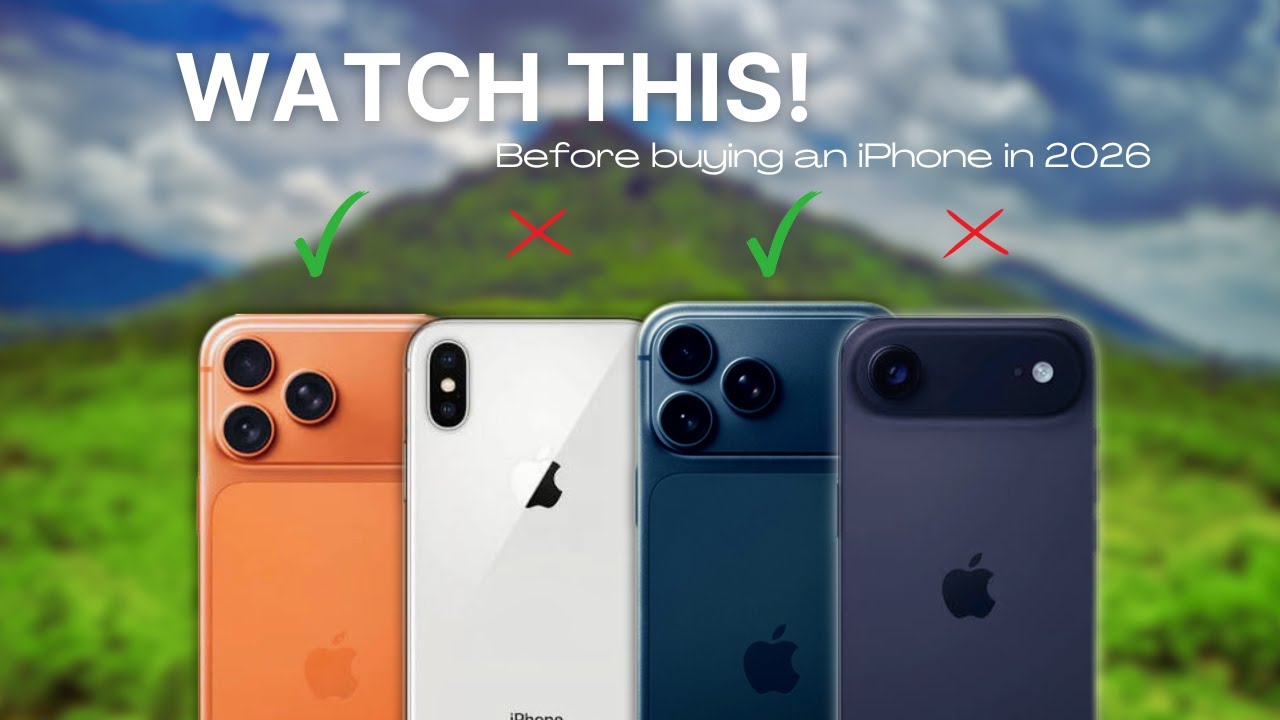

With the iPhone 17 and iPhone 17 Air arriving in September 2026 and the iPhone 16 now available at reduced prices, choosing the right iPhone has never been more interesting — or more confusing. Here is a straight comparison of all three to help you decide.
Quick Overview
- iPhone 16 — Apple's current standard iPhone, released September 2024. A18 chip, 6.1-inch display, Camera Control button, 48MP main camera, USB-C. Now available at a lower price since the iPhone 17 launch.
- iPhone 17 Air — Apple's new ultra-thin iPhone. The thinnest iPhone ever made at approximately 5.5mm, replacing the Plus in the lineup. Single rear camera, A19 chip, lighter design aimed at people who prioritise a slim, lightweight phone above all else.
- iPhone 17 — The new standard iPhone for 2026. A19 chip, refined camera system, improved display, and the same Camera Control button. A meaningful upgrade over the iPhone 16 with better performance and battery improvements.
Design and Size
The iPhone 17 Air is the standout here. It is dramatically thinner and lighter than any other iPhone, making it the best iPhone for people who dislike the weight of modern smartphones or want something that barely notices in a pocket. The trade-off is a single rear camera and a smaller battery compared to the standard 17.
The iPhone 17 looks similar to the iPhone 16 but with a slightly redesigned rear camera module and refinements to the aluminium frame. The iPhone 16 still looks modern and has the same Camera Control button introduced in 2024.
Performance: A18 vs A19
Both the iPhone 17 and iPhone 17 Air use the new A19 chip, while the iPhone 16 uses the A18. In day-to-day use — apps, scrolling, video, calls — the A18 is still very fast and you are unlikely to notice a difference. The A19 advantage becomes more relevant for heavy gaming, video editing, and future-proofing the device for longer. If you are upgrading from an iPhone 12, 13, or 14, both chips will feel like a massive leap.
Camera
The iPhone 17 wins on cameras. It carries over the dual-camera system with improvements to the main sensor and enhanced computational photography features from iOS 27 (including the new Enhance and Extend photo editing tools).
The iPhone 17 Air has only a single rear camera — no ultrawide. If you regularly shoot wide-angle shots, landscapes, or group photos up close, this is a meaningful limitation. For everyday photos and portraits, the Air's single camera is still excellent.
The iPhone 16 has the same dual-camera system that launched in 2024 — still a capable shooter, especially now that iOS 26 and iOS 27 add new software features on top of it.
Battery Life
The iPhone 17 has the best battery of the three, with improvements over the iPhone 16 thanks to the more efficient A19 chip and a slightly larger cell. The iPhone 16 offers solid all-day battery life that most users are satisfied with. The iPhone 17 Air, due to its ultra-thin body, has a smaller battery — expect similar or slightly shorter battery life than the iPhone 16. It will still get through a full day for most users, but heavy users may notice the difference.
Price Comparison (Approximate)
- iPhone 16 — Starting around $699 new, or significantly less refurbished/on contract since the iPhone 17 launched.
- iPhone 17 Air — Starting around $899. You are paying for the design premium.
- iPhone 17 — Starting around $799. The best value of the new lineup for most people.
Who Should Buy Which?
Buy the iPhone 16 if you are on a budget, upgrading from an iPhone 11 or 12, or simply do not need the latest chip. It is a capable, well-rounded phone at a now lower price — and it runs iOS 27 with all the new features.
Buy the iPhone 17 Air if design and thinness are your top priority, you do not need a second camera, and you want the newest technology in the slimmest possible form factor. It is a statement phone for people who want something different.
Buy the iPhone 17 if you want the best all-around iPhone without going Pro. It has the new chip, the better camera system, improved battery, and sits at a reasonable price. For most people upgrading from an iPhone 13 or older, this is the one to get.
Video Guide
Watch the full comparison breakdown below: